


Ekman over five centuries
21st century

The Innovare Division is established
Reliance Fibres Limited, based in London UK, is acquired
Ekman celebrates 100 year anniversary in China
Kwok Fung (Sino HK) Enterprise Ltd, based in Hong Kong, is acquired
The Ekman Group sales volume exceeds 3,000,000 tons
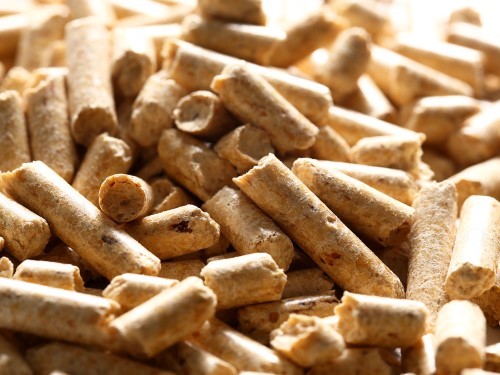
The Bioenergy Division is established
KC International is renamed Ekman Recycling
The Ekman family and the Ekman employees acquire all shares in Ekman
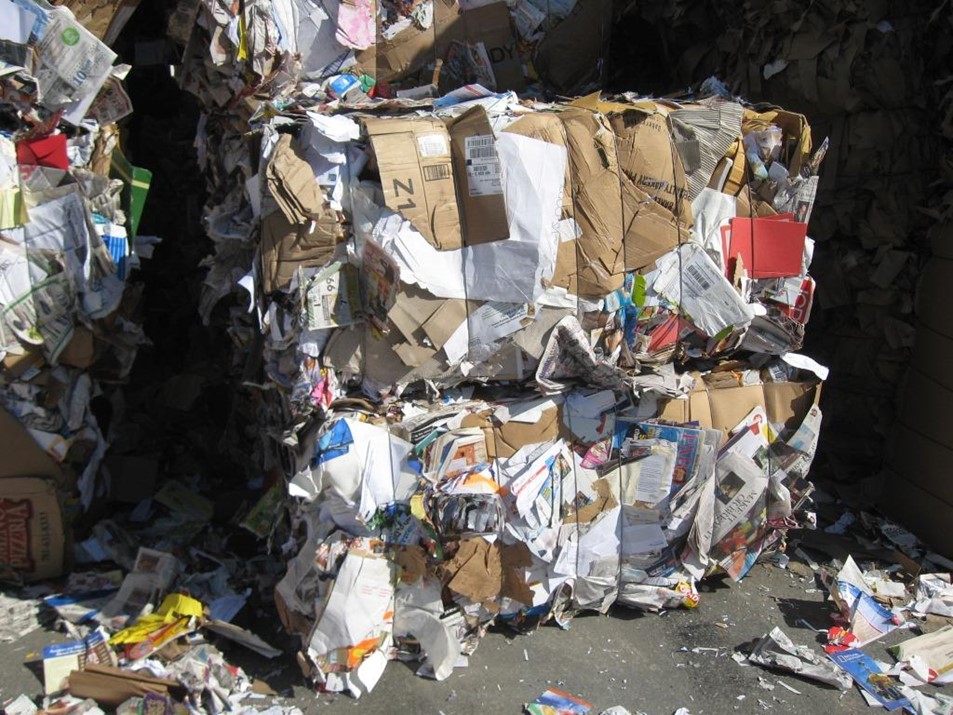
KC International, based in New Jersey USA, is acquired
The Recovered Materials Division is established
Ekman celebrates 200 years as an incorporated company
20th Century
The Ekman Group sales volume exceeds 2,000,000 tons
Atle AB acquires Ekman shares and becomes the largest shareholder in Ekman
The Ekman employees and management and the Ekman Family acquire all shares in Ekman together with two investment companies
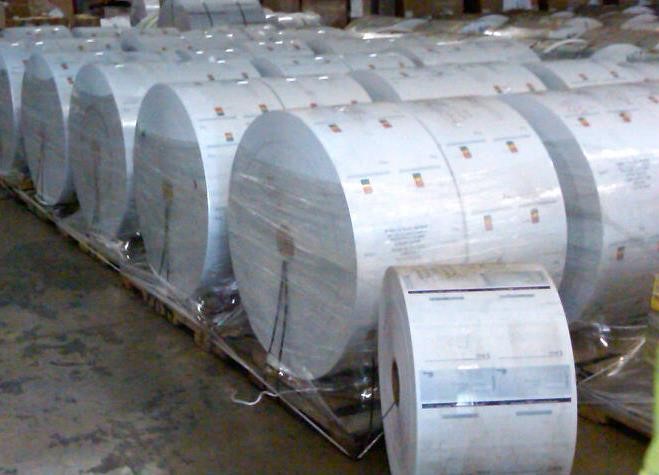
Intercontinental Cellulose Sales Inc (ICS Inc), based in Florida USA, is acquired
Ekman becomes the world's largest independent sales organisation with focus on the forest industry, handling over 1,000,000 tons of products
Jan Liebig International is acquired
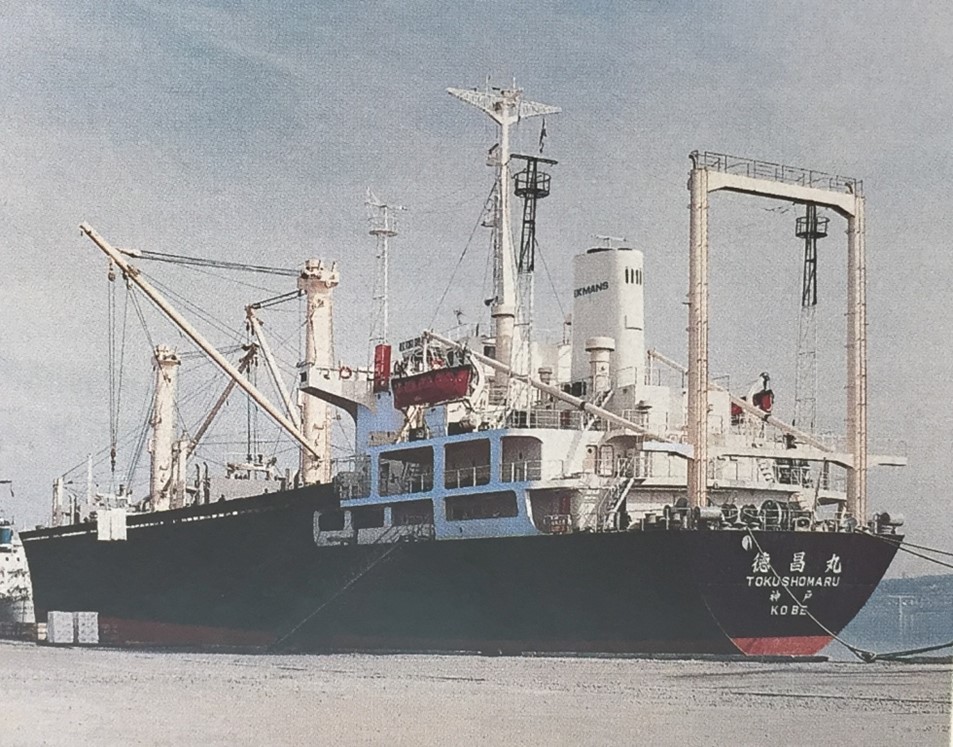
Diversified operations comes to an end as Ekman shifts focus to pulp and paper trade
Protector Insurance Ltd is established, with main focus on transport and warehouse risk insurance
Ekman becomes a subsidiary of the Säfveån Group and shift focus to trading in pulp, paper, iron, steel, and machinery and engineering products
Ekman imports textiles, clothing, watches, optics and consumer electronics, primarily from Japan and South East Asia
The end of World War II is the starting point for a very expansive period for Ekman and the turnover, in fixed prices, increases six times during the coming 20 years.
Ekman is reconstructed into a limited company, Ekman & Co Aktiebolag
The founding of the School of Economics and Business Adminstration in Gothenburg is made possible through donations from Ekman and other prominent families
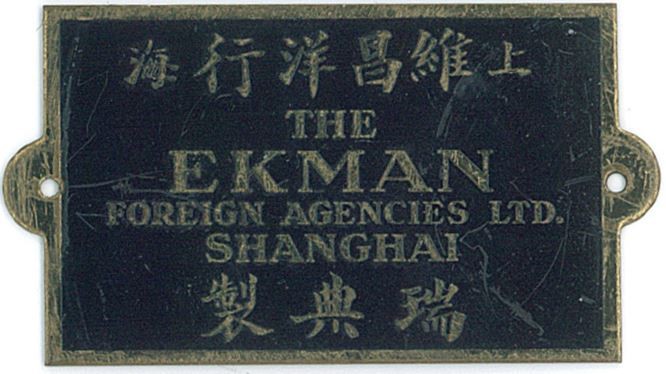
Ekman is the first Swedish trading house operating in China through the founding of Ekman Foreign Agencies Ltd. and the opening of a branch office in Shanghai
Ekman establishes an independent agency in Tokyo, transformed into Ekman & Co (Japan) Ltd in 1935
Ekman acquires the world renowned glassworks Orrefors
Ekman participates in the opening of the Transocean Line to South East Asia
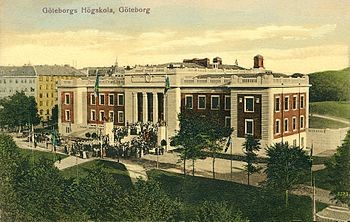
The main building of the University of Gothenburg was inaugurated on 18 September 1907, solely funded by the Consul Oscar Ekman
19th century
Johan Wilhelm Ekman, son of Gustaf Ekman, designs and patents the Ekman Furnace, using charcoal instead of coal as an energy source
The founding of the University of Gothenburg is made possible through donations from Oscar Ekman and other Gothenburg merchants
Ekman is one of the pioneers as the Swedish Forest Industry begins exporting pulp and paper
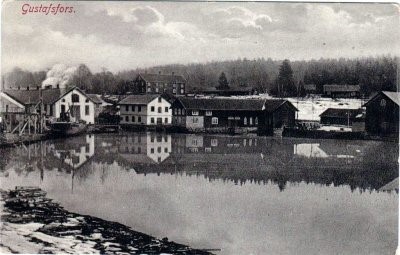
Ekman shifts focus from the manufacture of iron to the production of sulphate pulp (at the Gustafsfors mill)
Ekman is participating in the financing of the Swedish Basic Industry and Oscar Ekman plays a prominent role when Skandinaviska Kredit AB, later Skandinaviska Enskilda Banken (or SEB) is incorporated in Gothenburg
Carl Edvard Ekman, son of Gustav Henric Ekman and brother of Gustaf Ekman, acquires Finspångs Bruk
Gustaf Ekman, son of Gustav Henric Ekman, invents the Ekman Welding Furnace, enabling Lancashire forge and rolling mill operations in Sweden
Ekman is part-owner in a merchant fleet consisting of ten ships
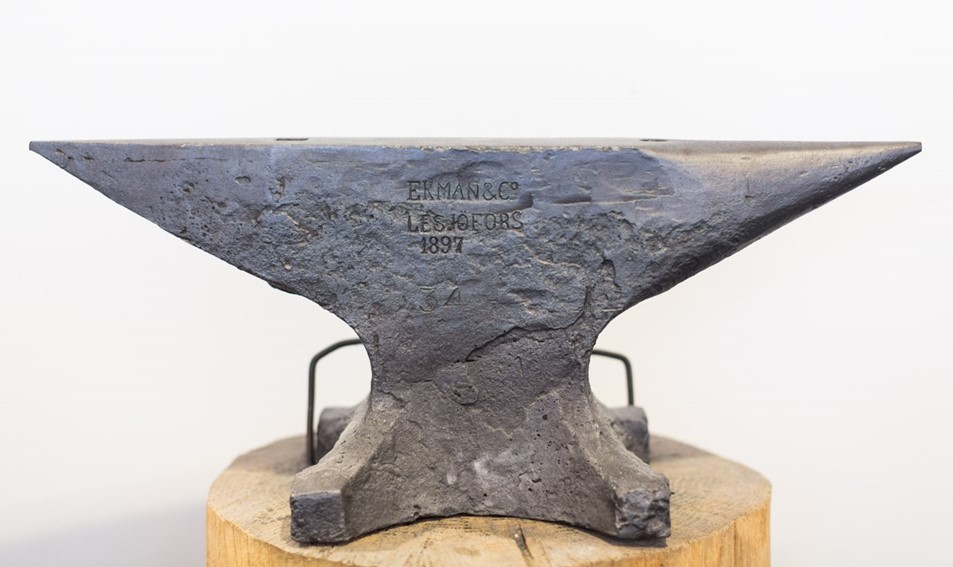
Gustav Henric Ekman and Gustaf Rudolf Prytz acquires the Lesjöfors Ironworks
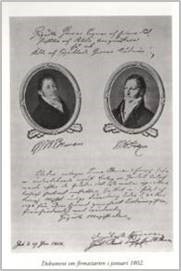
Ekman & Co is founded by Gustav Henric Ekman, son of Peter Ekman III, and Gustaf Rudolf Prytz
18th century
Peter Ekman III continues his father's business with focus on trading herring
Peter Ekman II, son of Peter Ekman I, sets up a business in Gothenburg specializing in timber goods
17th century
Peter Ekman I, son of Daniel Joensson Ekman, specializes in timber goods and builds a sawmill
Daniel Joensson Ekman sets up a business selling iron and timber